
The Role of Nutrition in Cellular Function
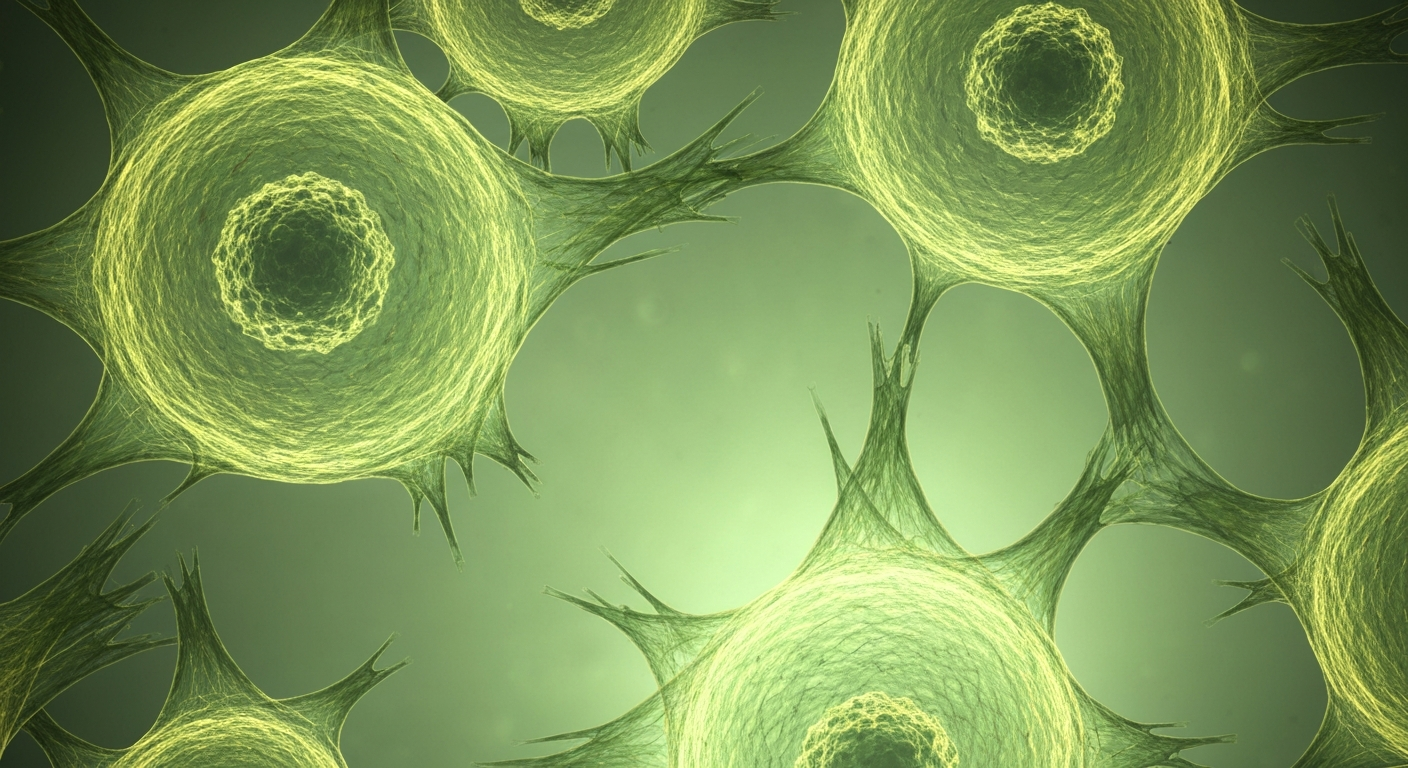
When we think about nutrition, we often focus on the macro-level: calories, weight management, or building muscle. However, the true magic of nutrition happens at a microscopic level. Every bite of food you consume is ultimately broken down into molecules that interact with your cells. Nutrition is not just fuel; it is information that dictates how your cells behave, repair, and communicate.
Food as Cellular Information
Your body is composed of trillions of cells, each performing highly specialized tasks. To execute these tasks, cells require specific raw materials—vitamins, minerals, amino acids, and fatty acids. When you eat, you are providing the instructions that tell your cells whether to thrive and regenerate or to trigger inflammation and early aging.
For example, omega-3 fatty acids found in wild-caught fish send signals that reduce inflammation and support brain health. Conversely, highly processed trans fats send signals that prevent cell membranes from functioning correctly, impairing the cell's ability to absorb nutrients and eliminate waste. Understanding this concept shifts our perspective from eating for temporary satisfaction to eating for cellular optimization.
The Powerhouse of the Cell: Mitochondria
At the heart of cellular function are the mitochondria—the tiny organelles responsible for producing ATP (adenosine triphosphate), the energy currency of the body. When your mitochondria are functioning optimally, you experience vibrant energy, mental clarity, and a strong immune system. When they are impaired, you may experience chronic fatigue, brain fog, and a slower metabolism.
Mitochondria are incredibly sensitive to nutrient deficiencies and environmental toxins. They require a steady supply of specific nutrients, such as CoQ10, B vitamins, magnesium, and antioxidants, to produce energy efficiently. A diet rich in colorful, organic vegetables, high-quality proteins, and healthy fats provides the exact matrix of nutrients needed to protect and fuel these cellular powerhouses.
Why "One-Size-Fits-All" Fails
The wellness industry is flooded with generic dietary guidelines and trendy diets. While these plans may work for some, they often fail to produce long-term results for others. The reason is simple: biochemical individuality. No two human bodies are exactly alike. Your genetics, microbiome composition, stress levels, and current state of health create a unique nutritional fingerprint.
A food that is a superfood for one person might trigger an inflammatory response in another. For instance, while spinach is highly nutritious, individuals with oxalate sensitivities may experience joint pain and inflammation when consuming it in large quantities. This is why true health cannot be achieved through generalization; it requires precision.
The Importance of Functional Assessment
To dial in your biology, we must first understand what your body specifically needs. Functional assessments allow us to look under the hood and identify hidden food sensitivities, nutrient deficiencies, and gut imbalances. By analyzing this data, we can create a customized nutrition strategy that removes inflammatory triggers and replenishes depleted stores.
Building a Nutrient-Dense Environment
Optimizing cellular function through nutrition involves more than just eating the right foods; it involves establishing sustainable rhythms that support digestion and absorption.
- Mindful Eating: Digestion begins in the brain. Eating in a stressed state shunts blood away from the digestive tract, impairing the breakdown of food. Taking a few deep breaths before a meal shifts the body into a parasympathetic (rest and digest) state.
- Hydration: Water is the medium through which all cellular communication occurs. Proper hydration with mineral-rich water is essential for nutrient transport and cellular detoxification.
- Quality Sourcing: The nutrient density of our food is directly tied to the health of the soil it was grown in. Prioritizing organic, regenerative, and locally sourced foods ensures that you are receiving maximum cellular information without the interference of pesticides and synthetic chemicals.
Healing as a Lifestyle
Customized nutrition is not a temporary diet plan; it is a profound shift in how you relate to your body and your environment. As your internal environment heals and your cellular function optimizes, your nutritional needs will evolve. What your body needs during a period of intense healing may differ from what it needs during a phase of maintenance and optimization.
At Wholistic Life, our goal is to empower you with the knowledge and the specific strategies required to nourish your body at the deepest level. By aligning your nutrition with your unique biology, you create an internal environment where true, sustainable health is the natural outcome.
Ready to Transform Your Health?
Schedule a consultation with our experts and start your journey towards root-cause healing and optimal vitality.
Book Your Appointment