
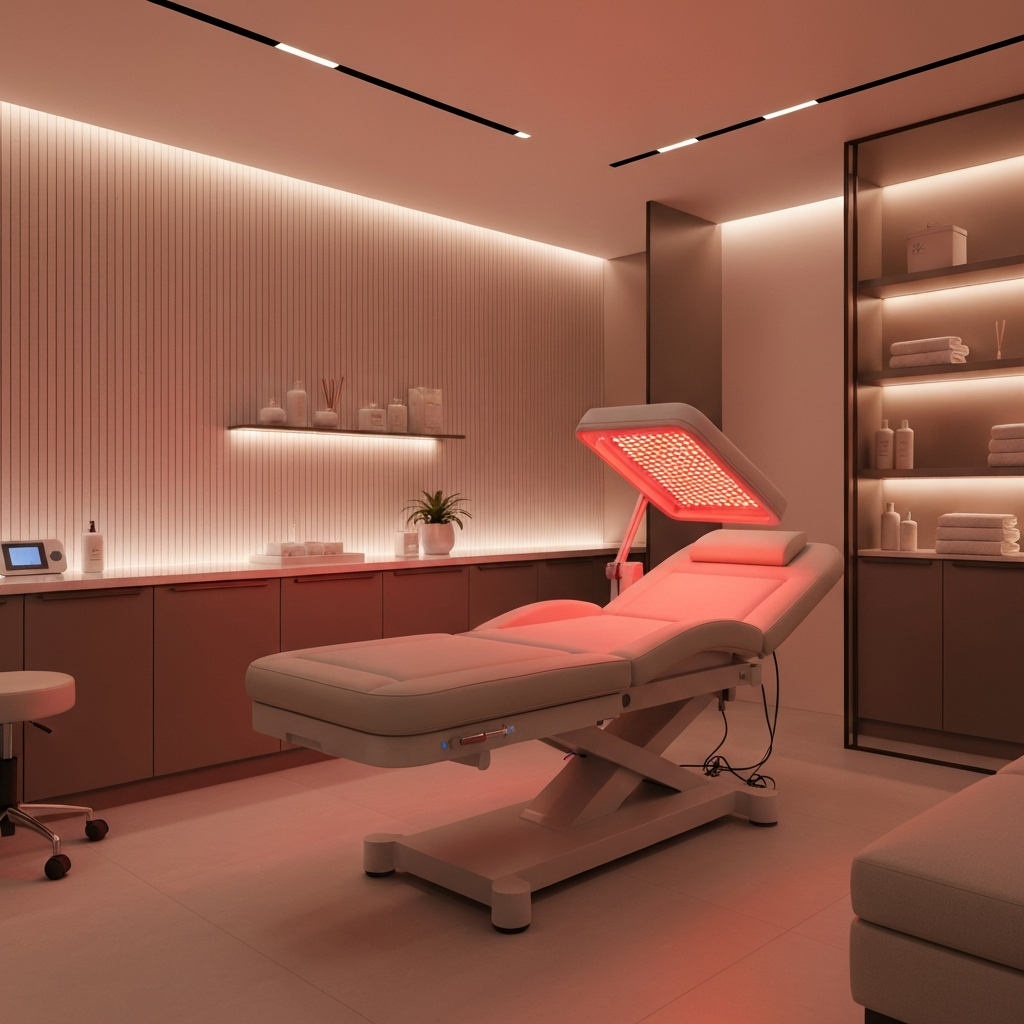
Illuminating Health: The Systemic Benefits of Red Light Therapy
"Light is part of a healthy daily rhythm. Red and near-infrared wavelengths are being studied for how they interact with our cells' energy production."
Introduction: The Biological Necessity of Light
In our modern, indoor-centric world, we are increasingly deprived of the natural spectrum of light that our ancestors evolved under. We spend our days under artificial blue light from screens and overhead LEDs, while missing the healing frequencies of the sun—particularly the red and near-infrared wavelengths that are most abundant at sunrise and sunset.
Red light therapy (RLT), also known as photobiomodulation (PBM), is a non-invasive treatment that delivers these concentrated wavelengths directly to the body. At Wholistic Life, we recognize that light is a primary driver of mitochondrial health. When we optimize how our cells process light, we optimize how our entire body functions. This article looks at what red light therapy is, what the research is exploring, and how sessions fit into a wellness routine.
Red light therapy is available at our North Miami Beach clinic only. See red light therapy.
The Mitochondrial Engine: How Photobiomodulation Works
To understand the "why" behind red light therapy, we must look at the "how" at the cellular level. Every cell in your body contains mitochondria—the organelles responsible for producing Adenosine Triphosphate (ATP). ATP is the energy currency that fuels every heartbeat, every thought, and every repair process.
During periods of stress, aging, or exposure to environmental toxins, a molecule called nitric oxide can build up in the mitochondria. This nitric oxide binds to an enzyme called cytochrome c oxidase, effectively "suffocating" the cell and halting ATP production. Many people explore red light because they want to feel more energized and recover well.
When specific wavelengths of red light (630–660nm) and near-infrared light (810–850nm) penetrate the tissue, they are absorbed by these cytochrome c oxidase enzymes. This light energy forces the nitric oxide to detach, allowing oxygen to re-enter the metabolic pathway. The result is an immediate and dramatic increase in ATP production. With this renewed energy, the cell can repair damage, clear out waste, and function at its highest capacity.
1. Comfort and Recovery
Early research is looking at how red and near-infrared light affect tissue comfort and recovery after activity. Many people use red light sessions as part of their recovery routine. It is a wellness session, not a treatment for any disease.
2. Accelerated Recovery and Physical Performance
Athletes and fitness enthusiasts have long utilized RLT to gain a competitive edge and reduce downtime. By increasing cellular energy, the body can repair muscle fibers significantly faster after intense physical exertion. Studies indicate that using red light therapy both before and after workouts can reduce delayed onset muscle soreness (DOMS) and improve total power output.
Furthermore, RLT enhances microcirculation and vasodilation, ensuring that oxygen and vital nutrients are delivered efficiently to the tissues that need them most. This improved blood flow also helps flush out metabolic waste products like lactic acid, further accelerating the recovery process.
3. Research on Light and the Brain
Perhaps the most exciting frontier of red light therapy is its impact on the brain. The brain is the most metabolically active organ in the body, meaning it is highly sensitive to mitochondrial dysfunction.
Researchers are studying near-infrared light and the brain, and this research is still early. Some people tell us a red light session is a calm, focused break in their day.
4. Hormones and the Thyroid: Early Research
Research on red light and hormones, including the thyroid, is still early, and red light is not a treatment for any thyroid condition.
5. Skin Support
Red light is popular for skin wellness. Some studies suggest it may support collagen and the look of fine lines. It is not a treatment for wounds, burns, or skin conditions; see a physician or dermatologist for those.
6. Circadian Rhythm and Sleep Quality
Exposure to red light in the evening can help signal to the body that it is time to wind down. Unlike the stimulating blue light from our devices, red light does not suppress melatonin production. By using RLT as part of an evening wind-down routine, you can support your body's natural circadian rhythms, leading to deeper, more restorative sleep.
Why Quality and Consistency Matter
It is important to note that not all red light is therapeutic. The efficacy of the therapy depends entirely on the specific wavelengths used, the power density (irradiance), and the duration of exposure. A standard red LED bulb or a low-powered consumer device often lacks the intensity required to achieve deep cellular penetration.
At our North Miami Beach clinic, we use a full-body Airvida red light bed. According to the manufacturer, it combines red (660 nm) and near-infrared (850 nm) LED light with 360° coverage. Like nutrition or exercise, the benefits of red light therapy are cumulative. We recommend consistent, frequent exposure as part of a comprehensive wellness plan to achieve and maintain optimal results.
Experience the Power of Light
Ask us how a session on our Airvida red light bed could fit your wellness plan. Book a consultation today to see how we can incorporate this transformative technology into your personalized wellness journey.
Results vary from person to person. Red light sessions are wellness support and do not replace medical care.
Red light therapy is available at our North Miami Beach clinic only. See red light therapy.
Book Your Consultation